
GBGB and Greyhound Welfare: Regulation, Rehoming and Standards
 Available in US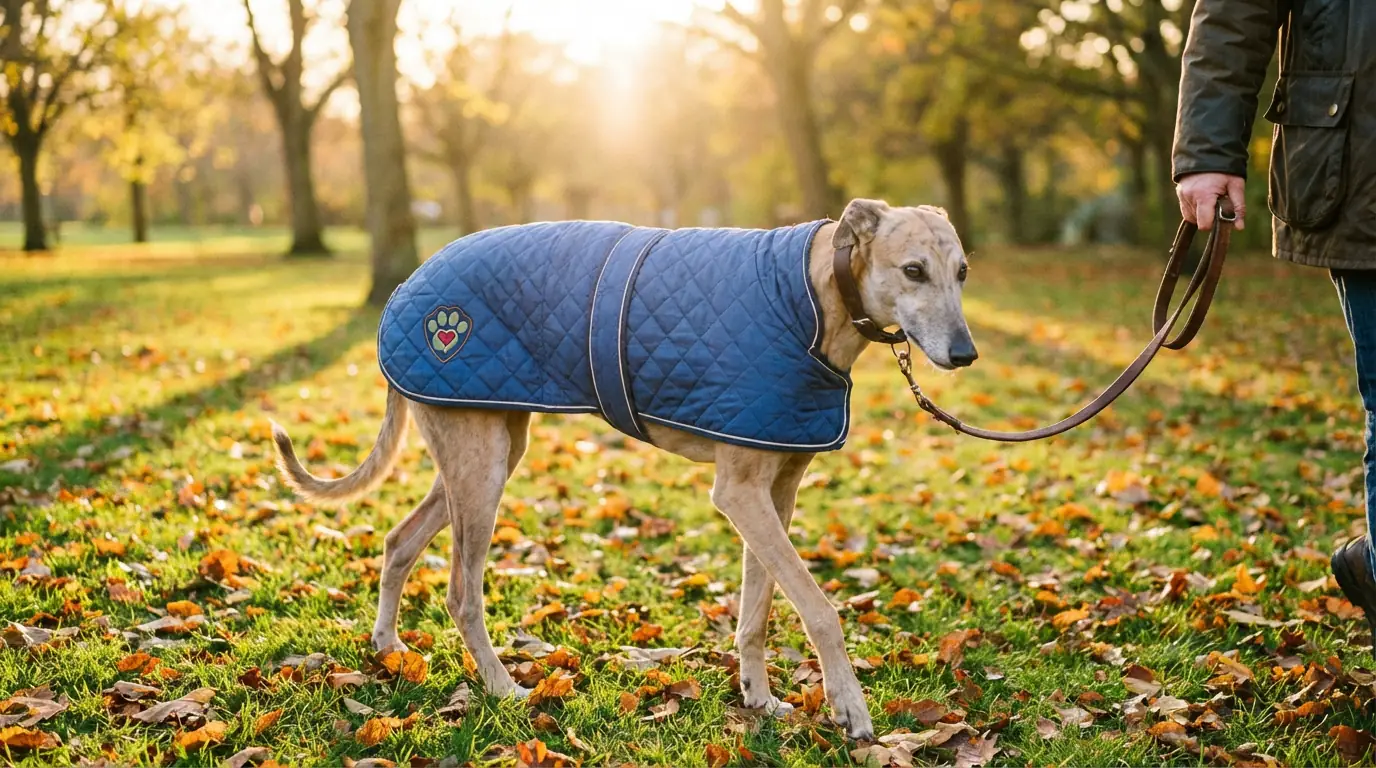
Regulation Behind Every Race
Every licensed greyhound race in the UK takes place within a regulatory framework designed to ensure the welfare of the dogs, the integrity of the competition, and the fairness of the betting market. That framework is administered by the Greyhound Board of Great Britain, known as the GBGB, which has governed the sport since its formation and operates as the de facto authority over every aspect of professional greyhound racing in this country.
For punters, the GBGB’s role is relevant for two reasons. First, the regulatory standards it enforces — drug testing, veterinary inspections, grading protocols — are what give the form data its reliability. When you study a racecard and base a bet on the times and finishing positions recorded there, you are relying on the assumption that those results were produced under fair conditions. The GBGB’s oversight is what underpins that assumption. Second, the welfare standards it mandates affect the broader sustainability of the sport. Greyhound racing operates under public scrutiny from animal welfare organisations, and the sport’s continued licence to operate depends on demonstrating that the dogs are treated responsibly.
Understanding what the GBGB does — and the welfare standards it enforces — gives you a more complete picture of the sport you are betting on. It also equips you to assess welfare-related claims and controversies with factual knowledge rather than assumption.
Stay informed at crayforddogsresults.
GBGB Structure and Authority
The GBGB is the regulatory and governing body for licensed greyhound racing in the UK. It sets the rules under which races are conducted, licenses the tracks and trainers that participate, manages the grading and handicapping systems, and enforces disciplinary procedures for breaches of the rules. Its authority extends to every GBGB-licensed meeting — the races that bookmakers offer odds on, that SIS and Sky Sports Racing broadcast, and that generate the form data published in the Racing Post and other media.
The board’s regulatory functions include maintaining the register of licensed trainers, ensuring that trainers meet minimum standards for kennel facilities and dog care, and conducting unannounced inspections of training operations. Trainers who breach GBGB regulations face sanctions ranging from fines to suspension to permanent revocation of their licence. The system is not perfect — no regulatory framework is — but it provides a layer of accountability that does not exist in unlicensed greyhound racing.
Drug testing is one of the GBGB’s most visible regulatory activities. Samples are taken from dogs at licensed meetings, both randomly and in targeted circumstances, and tested for prohibited substances. A positive test results in an inquiry, and the trainer is held responsible for the condition of the dog in their care regardless of how the substance was administered. Penalties for positive tests are among the most severe in the GBGB’s disciplinary framework, reflecting the importance of a clean racing product to the integrity of the betting market.
The GBGB also publishes data on racing and welfare outcomes, including annual statistics on the number of dogs racing, injuries sustained, and outcomes for retired greyhounds. This transparency — imperfect as it is — allows external observers to assess the sport’s welfare performance against its stated standards, and it provides the raw material for informed debate about whether those standards are adequate.
Welfare Standards: Injury Reporting and Veterinary Care
Every GBGB-licensed greyhound meeting is attended by a qualified veterinary surgeon whose role is to assess the fitness of every runner before it races and to treat any injuries that occur during the meeting. The pre-race veterinary check is mandatory — a dog cannot race unless the vet is satisfied that it is fit to do so. This includes a physical examination and an assessment of the dog’s general condition, weight, and demeanour.
If a dog is injured during a race — a muscle strain, a fracture, a cut, or any other physical issue — the on-duty vet provides immediate treatment and determines whether the injury is treatable or whether the dog requires referral to a specialist facility. All injuries sustained during racing must be reported to the GBGB and are recorded in a central database. This reporting requirement creates a paper trail that allows the GBGB to monitor injury rates by track, by distance, and by race type, and to identify patterns that might indicate a systemic problem at a particular venue.
Track safety is an ongoing concern. The GBGB sets standards for track surfaces, bend radii, and obstacle placement (in hurdle races) that are designed to minimise the risk of injury during racing. Tracks are inspected regularly, and surface maintenance — watering, raking, and replacement of sand — is subject to minimum standards. When injury rates at a specific track rise above the expected level, the GBGB can mandate changes to the surface, the race programme, or the distances offered.
The welfare debate within greyhound racing centres on whether the current standards are sufficient. Animal welfare organisations — the RSPCA, Dogs Trust, the League Against Cruel Sports, and others — have criticised the sport for the inherent risk of injury in competitive racing, for the volume of dogs that are bred but do not make it to the track, and for the treatment of dogs after their racing careers end. The GBGB has responded by tightening welfare requirements over time, introducing more comprehensive injury reporting, and investing in retirement and rehoming programmes. The debate continues, and the sport’s long-term viability may depend on its ability to demonstrate that welfare improvements are genuine and sustained.
Retirement and Rehoming Programmes
The question of what happens to greyhounds after their racing careers end is the most emotionally charged welfare issue in the sport. A racing greyhound’s competitive life is relatively short — most dogs race for two to four years before being retired, either because their performance has declined, because of injury, or because they have reached an age where continued racing is not appropriate. The sport produces thousands of retired greyhounds each year, and finding responsible homes for all of them is a challenge that the GBGB, the tracks, and the welfare organisations share.
The GBGB requires trainers to account for every dog in their care and to report the outcome when a dog leaves their kennel — whether it is rehomed, transferred to another trainer, returned to its owner, or placed with a rehoming charity. This tracking system was introduced to address the historical problem of dogs disappearing from the system without any record of their fate. The system is not watertight — enforcement depends on trainers reporting accurately — but it represents a significant improvement over the untracked past.
Several established rehoming organisations specialise in placing retired greyhounds with families. The Retired Greyhound Trust, founded in 1975, is the largest and best-known, and has rehomed tens of thousands of dogs over its history. Greyhound Rescue Wales, Forever Hounds Trust, and numerous local organisations operate across the country, providing kennelling, veterinary care, and matching services that place retired racers with suitable adopters. Greyhounds are widely regarded as excellent pets — calm, gentle, and surprisingly low-energy for a breed associated with speed — and the rehoming organisations maintain waiting lists of potential adopters.
The GBGB’s Greyhound Retirement Scheme contributes funding to rehoming efforts through a levy on race entries. This financial mechanism creates a direct link between the racing programme and the welfare of retired dogs: every race staged contributes to the fund that supports the dogs when they stop racing. The scheme has increased the proportion of retired greyhounds that are successfully rehomed, though welfare organisations argue that the funding level remains insufficient given the number of dogs that retire each year.
Individual tracks also run their own rehoming initiatives. Hove, Monmore, Romford, and other venues maintain relationships with local rehoming organisations, host adoption events, and promote the availability of retired greyhounds to their racegoers. These track-level efforts supplement the national programmes and create a visible connection between the racing community and the dogs’ post-racing lives.
Betting Is More Sustainable When Welfare Is Visible
The connection between welfare and betting is not immediately obvious, but it is real. The long-term commercial viability of greyhound racing depends on public acceptance, and public acceptance depends on the perception that the dogs are treated well. A sport that attracts sustained welfare criticism faces political pressure, media hostility, and a gradual erosion of its customer base as punters who care about animal welfare choose to spend their money elsewhere.
For the individual punter, engagement with welfare issues is a matter of personal ethics. Some bettors follow the sport without concern for the underlying welfare debate. Others factor welfare into their decisions about which tracks to support and which bookmakers to use. Neither approach is wrong, but both benefit from accurate information rather than assumption.
Also read our legal information.
The GBGB’s regulations are not a guarantee that every greyhound in the sport is treated perfectly. They are a framework — a set of minimum standards enforced by a body with limited resources and imperfect oversight. The improvements in welfare over the past two decades are genuine and measurable: better injury reporting, more comprehensive rehoming programmes, tighter drug testing, higher kennel standards. Whether those improvements are sufficient is a question that the sport, its regulators, and its critics will continue to debate. What is not debatable is that the direction of travel has been toward higher standards, and that the betting public’s awareness of welfare issues has been a significant driver of that progress.
